Hire a Vetted Housemaid or Nanny in Kampala: Process and Requirements
Looking for housemaid or nanny work in Kampala? Learn the documents, contract and checks that keep you safe and hired.
By Akanyijuka Asiraf · · Updated

Hire a Vetted Housemaid or Nanny in Kampala: Process and Requirements
Headline options
- Hire a Vetted Housemaid or Nanny in Kampala: Process and Requirements
- Housemaid or Nanny in Kampala: What Every Worker and Family Should Check First
- How to Get Hired as a Housemaid or Nanny in Kampala (Safely and With a Contract)
- Domestic Workers in Kampala: The Documents, Pay Terms and Checks That Protect You
- Looking for Housemaid or Nanny Work in Kampala? Avoid These Mistakes
Start here
You want housemaid or nanny work in Kampala, but you keep meeting brokers who ask for money and families who offer no contract. In 2026 Uganda changed its law to recognise domestic workers, so you now have more protection than before. This guide explains how vetted placement works, what documents you need and how to protect yourself.
The short version
- Domestic workers such as nannies and house girls are now formally recognised as employees under Uganda's Employment (Amendment) Act, 2025, signed in April 2026.
- A vetted worker has verified identity, references and a clear contract. These are what families and agencies look for.
- Keep copies of your ID, references and any training certificates ready.
- Insist on a written contract that states duties, pay, leave and notice.
- Do not pay a broker or agency to get a local domestic job. Walk away if asked.
Vetted placement follows six steps from first contact to your start date
Agencies and families that do this properly follow a simple path. Steps differ between agencies, so use this as a guide and ask each agency for its own process.
- Register and share your details. You give your name, age, contact, experience, languages and the kind of work you want (housemaid, nanny, cook, elder care).
- Interview and skills check. A consultant asks about your experience and may test practical skills such as cooking, cleaning or child care.
- Document and reference checks. The agency checks your ID and contacts previous employers or referees.
- Match with a family. The agency shares your profile with a family whose needs fit your skills and location.
- Meet the family. You meet the family, ask questions about the home and the job, and they ask about you.
- Sign a written contract and start. You agree duties, pay, hours, leave and notice in writing before day one.
Treat the meeting with the family as an interview in both directions
A good family will tell you the number of people in the home, the work expected, the working hours and where you will sleep. You are also checking whether the home is safe and the family respectful.
Example: A nanny asks, "How many children, what ages, and what is the daily schedule?" The family answers clearly and writes it into the contract. She feels she knows what to expect.
Action step: Write five questions before the meeting: hours, duties, pay date, days off and who to call if there is a problem.
Know what a vetted worker looks like
Vetted means someone has checked that you are who you say you are and that your references are real. It protects both you and the family. Our guide to background checks explains how checks of references and documents work.
Action step: Ask two previous employers or community leaders if they will act as referees. Save their phone numbers and tell them to expect a call.
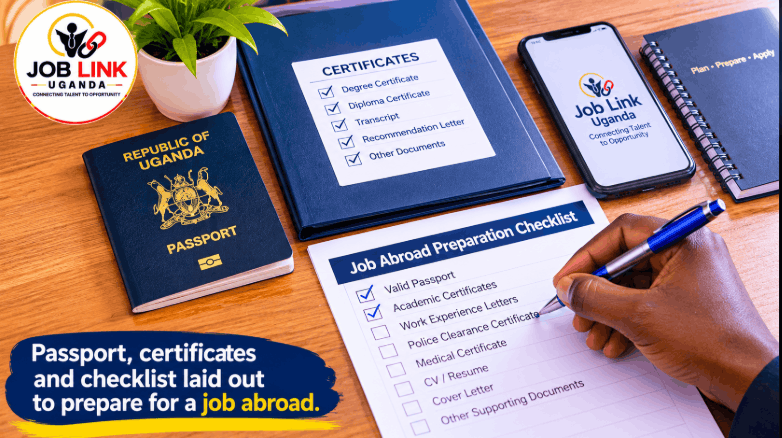
Seven documents and checks make you easy to place
The list below shows what agencies and families commonly ask for. These are usual practice, not a legal list, and requirements vary by agency and family, so ask what yours wants.
Item | Why it is asked | How to prepare |
|---|---|---|
National ID or other valid ID | Proves who you are | Carry the original and keep a clear copy |
Passport photo | For your profile and records | Take a recent, clear photo |
Two referees | Confirms your character and past work | Agree in advance and share their phone numbers |
Reference or recommendation letter | Shows past employers trust you | Ask a former employer or community leader for a short signed letter |
Health check or medical report | Families often want to know you are fit for work with children or food | Ask your agency which test it expects, and do not pay for unnecessary extras |
Training certificates | Proves skills such as child care, first aid or cooking | Bring any certificates, even short courses |
Police clearance, where requested | Some families ask for it for added comfort | Ask whether it is required before you apply |
Build a simple profile sheet
One page with your name, contact, experience, languages, skills and referees helps a consultant match you quickly. Keep it short and honest.
Example: A woman writes: "Nanny with three years' experience caring for children aged 1 to 6. Can cook, speaks Luganda and English, holds a first aid certificate." A consultant can match her to a family in one read.
Action step: Write your profile sheet today and ask a friend to check it. Use the tips in our CV format guide if you need a template.
Learn the skills families value most
Families tend to value reliability, honesty, hygiene, patience and basic child safety. A short first aid or child care course can set you apart.
Action step: Pick one short course, such as basic first aid, and ask the agency whether it counts toward your profile.
A 2026 law now recognises domestic workers as employees
On 29 April 2026, President Museveni assented to the Employment (Amendment) Act, 2025, which updates the Employment Act, 2006. AllAfrica reported that it formally recognises domestic workers and adds safeguards against excessive working hours, forced labour and abuse in private households. A 13 May 2026 report describing the law said that nannies and house girls are now recognised as employees, that a casual worker in a home for more than six months must get a signed written contract, and that sick leave and paid annual leave are legal entitlements. Read the Act itself or ask the Ministry of Gender, Labour and Social Development for the exact wording, because news reports can miss details.
Get the contract in writing before day one
The 13 May report suggests a simple contract that includes the parties' names, start date, pay and payment schedule, duties, sick and annual leave, and the notice period to end the job. Our Employment Act summary explains the basics, and our guide on the probation period explains what to expect early in a job.
Example: A house help agrees to work 6 days a week from 7 a.m. to 6 p.m. for a fixed monthly pay, paid on the 28th. All of this goes into a one-page contract that both sides sign.
Action step: Ask for a signed copy of the contract and keep a photo of it on your phone.
Agree pay clearly, because there is no national minimum wage in force
AllAfrica also reported that Uganda has not operationalised a national minimum wage, so pay is largely set by the market. That makes it more important to agree the amount, the payment date and any deductions in writing. Check our salary guide for general pay context, then ask the agency what families in your area usually pay.
Action step: Write your minimum acceptable monthly pay and your required day off before you meet a family.
Know your right to rest, leave and safety
The reports describe protection against excessive hours and entitlements to sick and annual leave. If a family refuses these, you can take the contract to the agency or to the labour office for advice.
Action step: Save the number of one trusted person, and the agency's number, in your phone before you start.
Brokers, fees and fake offers are the main dangers for domestic job seekers
People looking for housework often get approached by brokers on the street, on social media or through a friend of a friend. Some are honest. Others take your money or send you somewhere unsafe. A few simple rules protect you.
Do not pay a broker for a local domestic job
A family or an agency can pay for a placement. You should not. If someone asks for a "booking fee" or "first month's pay", say no and leave. Our guides on fake job scams and recruitment agency fees explain who should pay.
Example: A broker says, "Pay UGX 50,000 and I will get you a nanny job in Muyenga." A registered agency would never ask the worker to pay like this for a local job.
Action step: Ask any agency or broker for its office address and a written fee policy before you share your documents.
Be extra careful with offers to work abroad
In February 2026 the government warned that some tour and travel companies and agents were advertising foreign jobs on social media and taking money from young people, as Pulse Uganda reported. It said only companies licensed by the Ministry of Gender, Labour and Social Development may place Ugandans overseas. The new Act also says agencies that place workers abroad must be licensed and give enforceable contracts, according to AllAfrica. Read our guide on how to verify an agency for jobs abroad.
Action step: If you are offered a housemaid job abroad, ask for the agency's licence and your contract in writing and check both with the Ministry before you pay or travel.
Keep your documents and tell someone where you are
Keep your original ID with you and give the family only a copy. Share the address, the family's name and the contract with a trusted relative or friend, and agree to call them on a set day each week.
Action step: Send your contract, the family's address and phone number to one trusted person before your first day.
Frequently asked questions
What documents do I need to work as a housemaid or nanny in Kampala?
Agencies and families commonly ask for a valid ID, a passport photo, two referees, a reference letter and any training or health documents. Requirements vary, so ask each agency what it wants.
Are domestic workers covered by Uganda's labour law?
Yes. The Employment (Amendment) Act, 2025, assented to on 29 April 2026, formally recognises domestic workers such as nannies and house girls as employees, according to news reports. Check the Act for the exact wording.
Should a housemaid or nanny have a written contract?
Yes. Reports on the new law say a casual worker in a home for more than six months must get a signed written contract. Ask for one from day one, with duties, pay, leave and notice.
Do I pay an agency to get a domestic job in Kampala?
No. For a local job the family or employer should pay any agency fee. Be careful with brokers who ask for money, and check the current fee rules with the Ministry for any job abroad.
How do I know a nanny agency is real?
Visit its office, ask for its fee policy and contract template in writing, and speak to a worker it has placed. Our guide to choosing a recruitment agency has a full checklist.
Get vetted, get a contract and never pay to start
Domestic work in Kampala is now recognised work, and the law gives you more footing than it did before. Keep your documents ready, build a short profile, ask for a written contract and treat any request for money as a warning. A good family or agency will welcome your questions.
Ready to find safe domestic work? Submit your CV to Job Link Uganda, or see current openings today.
Sources
- Uganda: Museveni Signs New Labour Law but Minimum Wage Remains Elusive, AllAfrica, 30 April 2026 (signing on 29 April 2026, domestic worker recognition, licensed agencies for work abroad)
- New Ugandan law elevates domestic workers to officially recognized employees, ugandaonline.net, 13 May 2026 (contracts, sick and annual leave)
- Government warns tour companies engaging in labour externalisation, Pulse Uganda, 5 February 2026